OSCP preparation books for Offensive Security certification: PWK lab methodology, buffer overflows, and exam-day strategies. Instant EPUB + PDF downloads from Reader's Shack.
OSCP preparation books work when they mirror the exam's own logic: enumerate everything, document obsessively, and never stop when a machine stops answering. Reader's Shack curates OSCP preparation books that follow that discipline — lab methodology you can run on every box, buffer-overflow grounding, enumeration playbooks, and post-exploitation references written for people who intend to sit the exam, not just read about it. Every title here is an instant EPUB + PDF download, so you can study on a laptop in the lab and revise on a phone on the train.
The Offensive Security Certified Professional certification is earned in the lab, not the library. But the difference between candidates who compromise some of the lab machines and candidates who clear the lot is usually method: a repeatable enumeration order, a note habit that survives a midnight pivot, and enough overflow fundamentals to take the buffer-overflow machine nearly every time. The books below group into three lanes — exam strategy, lab methodology, and the supporting toolkit — and you can start in any of them.
Browsing the wider discipline first? Start with penetration testing books for the full hands-on shelf, or the cybersecurity collection for certifications across the field.
Start with OSCP Preparation Guide: Exam Strategy for the shape of the exam itself — time allocation across the machines, the report that decides your score, and how to bank points early. Pair it with OSCP Lab Methodology, the book most readers buy first: one enumeration and privilege-escalation checklist applied to every box until the order becomes reflex.
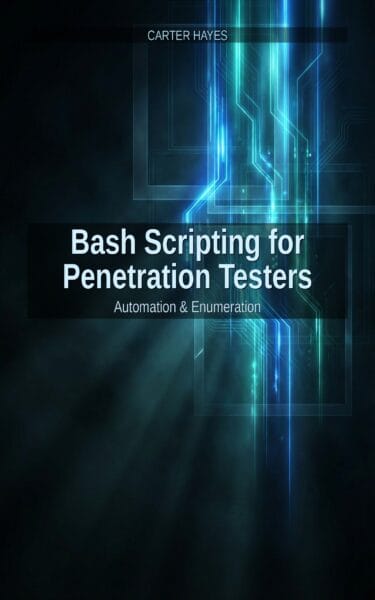
The exam rewards candidates whose tooling is automatic. Kali Linux Mastery covers the environment you will live in; Nmap Network Scanning turns host discovery from a command you copy into a decision you make; and Python for Hackers builds the scripting habit that turns a manual exploit into a repeatable one. Bash Scripting for Penetration Testers rounds out automation — enumeration loops, log parsing, and the small utilities that save lab hours.
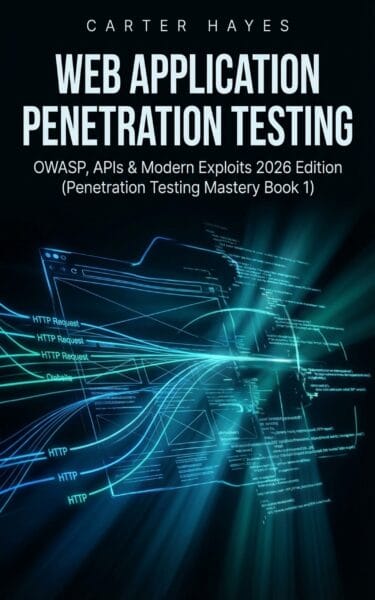
Once methodology is reflex, depth is what clears the hardest machine. Metasploit Unleashed gets the exploitation framework out of your way; Burp Suite Professional covers the web machine; Web Application Penetration Testing and Wireless Penetration Testing extend coverage to the surfaces modern exams include; and Red Team Operations stretches post-exploitation thinking past exam scope into adversary simulation.
Candidates who finish the lab in one pass tend to work in this order: methodology first, environment second, scanning third, scripting fourth, exploit depth last. If you are within eight weeks of your exam date, hold the exam-strategy guide until your final two weekends — its value is highest when the routines are already muscle memory.
Both, in that order. The lab is where you earn the exam, but candidates who walk into the lab without a methodology spend their first month learning what these books teach in a week. Work the frameworks on your own practice boxes first — you will pay for fewer lab hours.
It is harder than multiple-choice certifications by design: you compromise machines and write a report. What it does not require is prior professional experience — a structured methodology and steady lab hours carry most first attempts. Still choosing between certifications? Browse the penetration testing books shelf to compare exam-prep guides side by side.
Most readers who pass on a first attempt report 10–15 focused hours per week over three to four months — two evenings of reading and one weekend block of practice. Each chapter on this shelf ends in something to try on a machine, so reading time converts directly into lab time.
The shelf focuses on what has been stable for years — enumeration discipline, privilege escalation, overflow fundamentals, and reporting. Format specifics live in the exam-strategy guide, which stays current. The methodology books age slowly because the underlying techniques do.
If you have not built a home lab or run your first scan, start one step back: the hacking books for beginners collection covers foundations from zero, and the penetration testing books shelf maps the wider discipline before you commit to exam-level preparation.
Showing 1–12 of 13 results