Description
====================
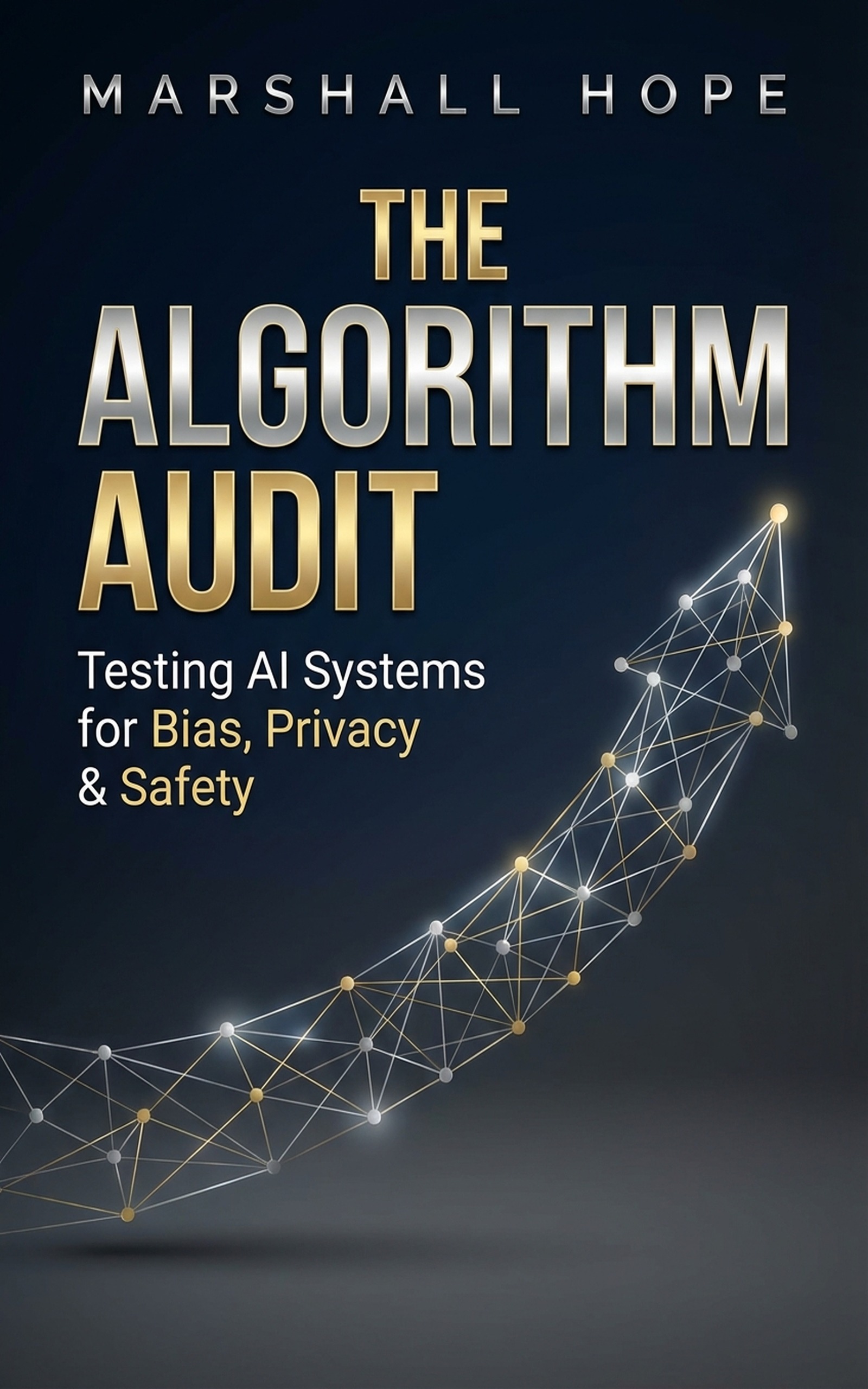
The Algorithm Audit presents a comprehensive framework for evaluating, monitoring, and ensuring accountability in artificial intelligence systems deployed across modern organizations. At its core, this book argues that algorithmic systems cannot be treated as black boxes that magically produce results, but instead require systematic examination through structured audit processes that reveal how these systems make decisions, what biases they contain, and whether they perform as claimed. Marshall Hope positions algorithmic auditing not as a purely technical discipline but as an essential governance practice that bridges technology, ethics, compliance, and organizational responsibility.
The book’s tone balances technical rigor with accessibility, moving from cautionary to empowering as it progresses. Early chapters establish the stakes—algorithmic failures that perpetuate discrimination, erode trust, and create legal liability—with a measured urgency that never descends into alarmism. As the framework unfolds across twenty-four chapters, the emotional register shifts toward practical confidence, offering readers systematic methodologies that transform algorithmic opacity into actionable insight. The final sections strike a tone of professional empowerment, positioning readers as capable stewards of responsible AI deployment.
Recurring visual motifs emerge that would translate powerfully to cover design: documentation as archaeological layers revealing hidden system truths, the audit trail as illuminated pathway through technological darkness, version numbers and timestamps as markers of currency versus obsolescence, cross-referencing as intersecting lines of verification, and the central metaphor of the audit itself—a focused beam of scrutiny penetrating opaque surfaces to reveal internal mechanisms. The imagery emphasizes transparency, systematic investigation, and the revelation of hidden structures.
This book speaks directly to technology leaders, compliance officers, risk managers, data scientists, and policy professionals who bear responsibility for AI systems but lack structured frameworks for accountability. It fulfills the urgent need for practical methodologies that convert abstract principles about “responsible AI” into concrete audit procedures. The book promises transformation from reactive crisis management to proactive governance, from blind trust in algorithmic outputs to evidence-based confidence in system behavior.
The narrative structure progresses methodically through audit dimensions—examining performance claims, bias detection, documentation currency, fairness metrics, and compliance verification. Each chapter builds on previous concepts while maintaining standalone utility, allowing readers to implement specific audit components immediately. What distinguishes this work is its insistence that algorithmic accountability requires not just technical tools but organizational commitment to ongoing scrutiny, making transparency an operational discipline rather than aspirational rhetoric.
====================

Reviews
There are no reviews yet.